The Clear sKin Secrets
The overlooked. The “stupid.” The tiny little habits that quietly stack up and either make — or completely sabotage — your acne transformation. Because honestly? Your cleanser can be $70, your routine can be flawless, and your treatments can be top tier… but if your pillowcase is dirty, your shower routine is backwards, your hands are constantly touching your face, and you’re clinging to pore-clogging makeup or moisturizers “because you’ve used them forever”… Houston, we have a breakout situation.
The Overlooked Details That Make or Break Your Acne Transformation
Your skincare routine matters. Your treatments matter. Your consistency matters. But let’s talk about the tiny, annoying, wildly overlooked details that can quietly sabotage your skin transformation behind the scenes.
Because clearing acne is not just about what serum you use. It is also about what touches your face, how you cleanse, what order you do things in, and whether or not your everyday habits are secretly working against you. And yes, we are going to talk about the “stupid” stuff. Because the stupid stuff makes the biggest differance.
-
Let’s start with the shower, because apparently we need to discuss the order of operations.
You should be washing your hair first. Shampoo. Rinse.
Then conditioner. Let it sit. Rinse it out completely.
Wash your body
Wash your hands w/ soap duh
Then, and only then, cleanse your face.
Why? Because conditioner, hair masks, oils, and styling-product residue can run down your face, jawline, chest, and back. If you cleanse your face first and then rinse conditioner all over it after, congratulations — you just seasoned your acne-prone skin like a rotisserie chicken. And when you cleanse, actually cleanse.
Most of the cleansers I recommend are not just “soap.” They are active treatment cleansers. That means they need contact time to do their job.
Massage your cleanser into your skin for 60–90 seconds. Let it sit for a moment like a mini treatment mask. Then and only then, rinse thoroughly.
-
Your towel can absolutely contribute to breakouts.
Especially if it’s being reused for multiple days, hanging damp in the bathroom, washed with heavy detergent, drowned in fabric softener, or shared with other people. Ew.
And here’s the painfully obvious part people somehow still miss:
if you’re hopping out of the shower, use a clean towel to pat your face dry BEFORE using it on your body.Pat your face dry with a clean towel every time - Even better? Use disposable face towels ( best and cheapest are at Costco) because disposable towels help reduce bacteria, detergent residue, and mystery bathroom crimes from touching your skin.
-
Your pillowcase touches your face for hours every night. That means oil, sweat, hair products, drool, skincare residue, and bacteria can build up fast. 3 days of the same pillowcase contains more bacteria then I toilet seat 👀
Use the pillowcase protocol:
Day 1: sleep on one side
Day 2: flip it over
Day 3: change itAmazing skin requires annoying laundry habits. Sorry; but you will thank me in the long run.
-
The makeup Audit: Y’all Fight me on this one the most. your makeup is likely what is causing you to breakout
& Just because something says “non-comedogenic” does not mean it is acne-safe for your skin. This is a new marketing term and my own personal nightmare.
So make sure your checking everything:
Primer
Foundation
Concealer
Blush
Bronzer
Setting spray
SPF
Tinted SPF
Hair products
Body products if you break out on your chest or backOne pore-clogging product can undo a whole lot of progress, yes even if it says its acne safe.
BUT a plus for you ive done the work and sell all legit acne safe products. including SPF foundations, blush/ bronzer/ tubing mascaras ➞ SHOP ACNE EDIT MAKEUP
-
Hair Products Can Break You Out-If you are breaking out along your forehead, temples, cheeks, jawline, neck, chest, or back, we need to look at your hair products.
If you’re breaking out primarily along your forehead, temples, hairline, or around your ears, your hair products may be contributing to the issue.
Many shampoos, conditioners, leave-in treatments, oils, and styling products contain ingredients that can leave residue on the skin and trigger breakouts in acne-prone individuals.
🚫 Ingredients to Avoid
If you struggle with acne, especially around the hairline, try avoiding products that contain:
Coconut Oil
Coconut Alkanes
Cocoa Butter
Shea Butter
Olive Oil
Avocado Oil
Mineral Oil
Lanolin
Petroleum
Beeswax
Heavy silicones (such as Dimethicone and Amodimethicone)
Heavy leave-in oils and pomades
✅ Acne-Safe Hair Care Options
These products are generally well-tolerated by acne-prone skin and are some of my favorite recommendations:
SEEN Shampoo
SEEN Conditioner
SEEN Leave-In Conditioner
K18 AirWash™ Dry Shampoo
K18 Peptide Prep Detox Shampoo
Neutrogena T/Sal Shampoo (great for oily scalps and buildup)
Briogeo Scalp Revival Charcoal + Coconut-Free Shampoo
My Hairline Acne Rules ( yes, like fight club rules)
✔ Wash your hair daily or every other day. I know I know, we love dry shampoo.
✔ Never EVER go to bed with wet hair.
✔ Keep conditioner away from your scalp and hairline whenever possible. Again- See “your Shower Routine Matters..” for the proper shower routine.
✔ Rinse your face after shampooing and conditioning to remove any residue left behind.
✔ Change your pillowcase every 2 days (Day 1 front, Day 2 back, Day 3 change it).
✔ Keep hair off your face while sleeping.
✔ Clean hats, headbands, and hair accessories regularly.
✔ If you’re using dry shampoo, make sure you’re still washing your hair frequently enough to prevent product buildup.
The Bottom Line: if your acne is concentrated around the hairline, forehead, temples, or ears, I almost always investigate hair products first. A simple shampoo switch can sometimes make a dramatic difference in just a few weeks.
-
Gym Sweat Needs a Plan
Sweat itself is not evil.
But sweat mixed with bacteria, friction, makeup, SPF, and tight clothing? That can absolutely trigger congestion and breakouts.
After workouts, cleanse when you can. If you cannot cleanse right away, mist with Halederma and wait about 10 minutes before applying skincare. And please do not sit in sweaty clothes for hours. Your back and chest acne are begging. And if your dealing with back acne, its likely sweat, tight cloths, none breathable fabrics and not washing your body in the proper routine. If you are struggling with body acne hale derma & BPO body wash will be your bestie.
-
Your phone touches your hands, your car, counters, bags, bathrooms, and then your cheek.
Wipe it daily with alcohol or lysol wipes! Especially if you take calls with your phone pressed to your face. all the tiny habit. Big difference.
-
Wash Your Hands Before Touching Your FaceYes. Even in the shower. And this one everyone is shocked.
You touched shampoo bottles, conditioner bottles, your hair, your body, possibly a loofah that has seen things we don’t need to discuss, your hair products. This is why the shower routine IS SO IMPORTANT.
Wash your hands before cleansing your face.
It takes five seconds. Be clean. Be acne-conscious.
-
Let's talk about what's going on inside, because your skin is an output of your internal environment. And sometimes the thing quietly feeding your acne isn't a product. It's breakfast.
These are the most common dietary acne triggers — and the reasons most people never connect them to their skin:
Dairy (all forms) — milk, cheese, yogurt, ice cream, cream in your coffee. Dairy contains growth hormones that stimulate oil production and androgen activity. Even "organic" dairy. Even "just a little."
Whey Protein — this one is massive and massively overlooked. Whey is derived from milk and spikes insulin like crazy, which directly triggers sebum production. If you're drinking protein shakes daily and breaking out, this is likely your problem.
Soy — acts as a phytoestrogen and can disrupt hormone balance. Soy milk, soy protein powder, soy sauce , edamame in excess.
Eggs and Egg Whites — specifically egg whites, which contain biotin-binding proteins that interfere with how your body processes biotin, causing imbalances that can show up on your skin.
Peanuts and Peanut Butter — high in androgens. Not a nut. A legume. And a sneaky acne trigger hiding in your "healthy" snack.
High-Glycemic Foods — white bread, white rice, pasta, sugar, energy drinks, juice, alcohol. These spike blood sugar, spike insulin, spike oil production. The chain is direct.
Alcohol — inflammatory, dehydrating, and usually mixed with straight sugar. It disrupts your gut, your hormones, and your skin barrier all at once.
Energy Drinks: Big Alani Girl here. and yes this & most energy drinks contain b12 a huge trigger to some.
The goal here is not perfection. It's awareness & education. Start noticing patterns. Skin worse after a dairy-heavy weekend? That's information.
My personal food trigger is sushi anything in high iodine. instant breakouts- sigh
-
What Should I Do After a Treatment?
Professional treatments create the perfect opportunity for your skin to heal, regenerate, and achieve the best possible results. What you do at home in the days following your appointment matters just as much as the treatment itself.
Fresh Bedding Matters
Your face spends 6–8 hours pressed against your pillow every night. Change your pillowcase before your treatment day and make sure your bedding is washed regularly.
We recommend:
Tide Free & Gentle or other fragrance-free detergents
No fabric softener
No scent boosters
No dryer sheets
These products often leave residue behind that can contribute to irritation, congestion, and breakouts.
Keep Hair Off Your Face
Hair carries oils, styling products, dry shampoo, sweat, and environmental debris that can transfer directly onto the skin.
Sleep with your hair tied back loosely.
Avoid heavy oils and leave-in products around the hairline.
Wash hair regularly, especially after workouts.
Stay Hydrated
Your skin heals and functions best when your body is properly hydrated.
Aim for at least 2 litres of water daily.
Increase your intake if you're active, spending time outdoors, or consuming caffeine.
Use a Clean Face Towel
Traditional bathroom towels can collect bacteria, detergent residue, and oils.
We recommend using disposable face towels ( Costco has the cheapest ive seen) to pat your skin dry after cleansing. They're hygienic, eco-friendly, biodegradable, and help reduce unnecessary exposure to acne-triggering bacteria.
Clean the Things That Touch Your Face
Don't forget about:
Cell phones
Makeup brushes and sponges
Hats and helmets
Sunglasses
Hands resting on your face
These small habits can have a surprisingly large impact on your skin's health and your treatment results.
Let Your Treatment Do Its Job: no retinols, BPO, white veil brighter/ bright white serums for a full 3-7 days POST treatment.
Healthy skin isn't created by one treatment—it's built through consistency. Following proper post-treatment care helps maximize your results, reduce irritation, and keep your skin moving in the right direction.
-
This section exists because people are genuinely shocked by this one — and it is one of the most common hidden acne triggers I see.
If you take supplements, vitamins, or protein powders, you need to read this.
Biotin — one of the most popular hair, skin, and nail supplements on the market. Also one of the most reliable acne triggers I see in clinic. High-dose biotin competes with other B vitamins for absorption and causes breakouts, often along the jawline and chin.
Vitamin B12 — stimulates a skin bacteria called C. acnes to produce porphyrins, which are inflammatory compounds that directly cause breakouts. Supplementing B12 when you don't have a deficiency is a very common hidden trigger.
Ashwagandha — an adaptogen that's everywhere right now. It raises DHEA levels, which is an androgen. More androgens equals more oil equals more acne.
Zinc (high dose) — zinc at therapeutic doses can actually help acne. But most people are taking it in combination with other supplements at doses that backfire and cause an imbalance.
Sea Moss, Chlorella, Spirulina — these algae-based supplements are very trendy right now and they are also very reliable acne triggers. They contain high levels of iodine, which is strongly linked to cystic and inflammatory acne.
Hair, Skin, and Nail Supplements — most contain a cocktail of the above. Biotin plus B vitamins plus zinc plus whatever botanical extract is trending. If it comes in a pink bottle and promises glowing skin, check the ingredient list before it enters your body.
Pre-Workout Powders — most contain ingredients that spike androgens, raise cortisol, and mess with your hormonal baseline. If you work out daily and take pre-workout daily, your skin knows about it.
The rule: if you take any supplement, vitamin, or protein powder — send me the full ingredient list. I will flag anything working against your skin. This is not optional. This is part of the process.
-
"Non-comedogenic" is not a regulated claim. Anyone can put it on a label. It means nothing without context.
Here are actual pore-clogging ingredients to check for in your makeup, skincare, SPF, and hair products:
Oils that clog: Coconut oil · Cocoa butter · Wheat germ oil · Flaxseed oil · Soybean oil · Palm oil · Algae extract · Seaweed extract
Emollients and thickeners that clog: Isopropyl myristate · Isopropyl palmitate · Cetyl acetate · Acetylated lanolin · Lauric acid · Myristic acid · Sodium lauryl sulfate
Ingredients hiding in "clean beauty": Shea butter · Argan oil · Rosehip oil · Jojoba oil (in large amounts) · Marula oil
Vitamin C — the one people fight me on most: Most over-the-counter Vitamin C products use ascorbic acid as the active ingredient. Ascorbic acid is highly unstable, often formulated with ingredients that don't play nicely with acne-prone skin, and is one of the more common hidden triggers I see. If you want the brightening benefits of Vitamin C, you need an acne-safe formulation. Not the viral one. Not the expensive one with the pretty orange packaging. An acne-safe one.
"Clean," "natural," "organic," "dermatologist-tested," and "non-comedogenic" are marketing terms. They do not mean acne-safe. Read the ingredient list. Every time.
-
These two are the least "skincare" topics on this page and also the ones most people are not taking seriously enough.
Sleep: When you do not sleep, your cortisol levels rise. Cortisol is a stress hormone that directly stimulates your sebaceous glands to produce more oil. More oil equals more congestion equals more breakouts. Seven to nine hours of sleep is not a luxury. It is part of your acne treatment plan.
Stress: The same cortisol connection applies. Chronic stress keeps cortisol elevated, which keeps oil production elevated, which keeps acne cycling regardless of how perfect your routine is. This is why some people break out during exam seasons, relationship stress, work pressure, or major life transitions — and then can't figure out why their routine "stopped working." It didn't stop working. Your stress load changed the internal environment your skin is operating in.
Managing stress is part of clearing acne. Sleep, movement, nervous system regulation — these are not soft suggestions. They are part of the treatment.
-
Breaking out around the mouth nonstop? Almost nobody talks about this one:
Fluoride toothpaste is a very common cause of breakouts around the mouth and chin — a condition called perioral dermatitis that looks like acne but isn't
SLS (sodium lauryl sulfate) in toothpaste — same issue, same area
Toothpaste as a spot treatment — people still do this. It burns, damages the barrier, and makes the mark worse. Never
Mouthwash residue — alcohol-based mouthwash splashing around the chin and mouth area contributes to dryness and irritation in the perioral zone
So now that you know try switching your toothpaste to something SLS free and ensure you are brushing your teeth BEFORE washing your face.
-
People do these wrong constantly and don't know it:
Skin should be fully dry before applying actives — applying BPO or retinol to damp skin drives them in deeper and causes irritation
Wait time between steps — most people layer immediately; actives need 60–90 seconds to absorb before the next product goes on
Less is more with amount — clients over-apply and wonder why they're red and peeling. A pea-sized amount is a real instruction, not a suggestion
Don't rub — press and pat — rubbing irritates, pressing absorbs
Actives are for the whole face, not just spots — spot treating only drys up your active pimples it does not prevent future breakouts.
Products should always be applied thinnest to thickest aka serums before lotions.
If your experiencing ‘piling’ this means you are applying in the wrong order, massaging too much or applying to many things to wet skin. follow all the above suggestions and you products will stop doing this 💛
-
A "what not to combine" guide:
BPO + Retinol on the same night — too aggressive, causes barrier damage
BPO + Vitamin C — BPO oxidizes Vitamin C and makes it useless
Retinol + AHAs/BHAs same night — over-exfoliation, barrier damage
Multiple actives on broken or compromised skin — if your skin is peeling, red, or irritated, it needs calm, not more actives
The right order: Cleanse → tone/mist → actives (thinnest first) → moisturizer → SPF (AM only)
and the most important tip: remember when you exfoliate you must then rehydrate. This is what leads to broken skin barriers & irritation.
-
Clear skin is not a 2-week project.
Your skin operates on a 28-day cell turnover cycle. That means the skin you see today started forming about a month ago. The breakout you are dealing with right now was already in motion under the surface before you even started your routine.
This is why results take time. Not because the products aren't working. Because biology has a timeline and it does not care about your event next Saturday.
Here is what a realistic clearing timeline generally looks like:
Weeks 1–4: Your skin is adjusting. You may see purging. Congestion that was forming beneath the surface is moving up and out. This is normal. Stay the course.
Weeks 4–8: The purge slows. You start to see fewer active breakouts forming. Texture may still be present but the frequency and severity is shifting.
Weeks 8–12: Real, visible change. Breakouts are less frequent. Healing faster. Skin feels more balanced. This is where most people start to feel the difference.
Month 3 and beyond: Clearing continues. Hyperpigmentation fades. Texture smooths. Skin is becoming its new normal.
The clients who get clear are the ones who trust the process past the uncomfortable middle part, stick to their skincare like actual homework & embrace the process. Clear skin is built in the boring weeks when nothing feels like it's happening but everything is.
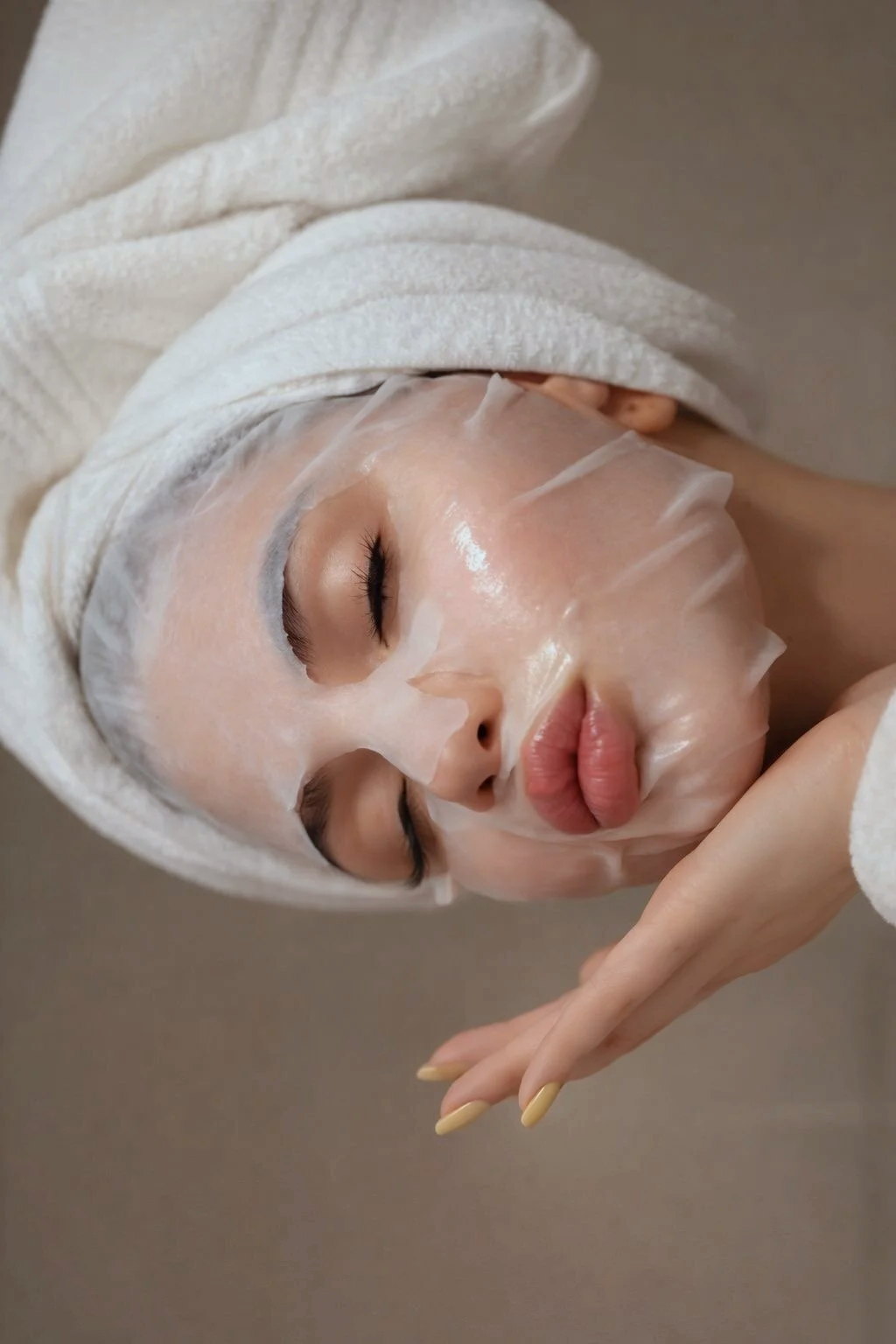
WHY MASKING MATTERS IN A ACNE JOURNEy:
Your daily routine handles the surface. Your mask handles everything underneath it. This is truly a slept on ritual.
A mask stays on your skin for 10–20 minutes. That contact time is the entire point — it reaches the congestion sitting below the surface, delivers concentrated actives that actually have time to work, and does the deep reset your cleanser cannot do in 90 seconds.
One mask. Once a week. Every single week. Non-negotiable.
The clients who mask consistent with the routine will see clear skin faster. Enjoy your Skincare Ritual.
My personal fav mask combo is Blemish Control N0.5 + Oxygen Deep pore mask this combo is LETHAL for inflamed acne